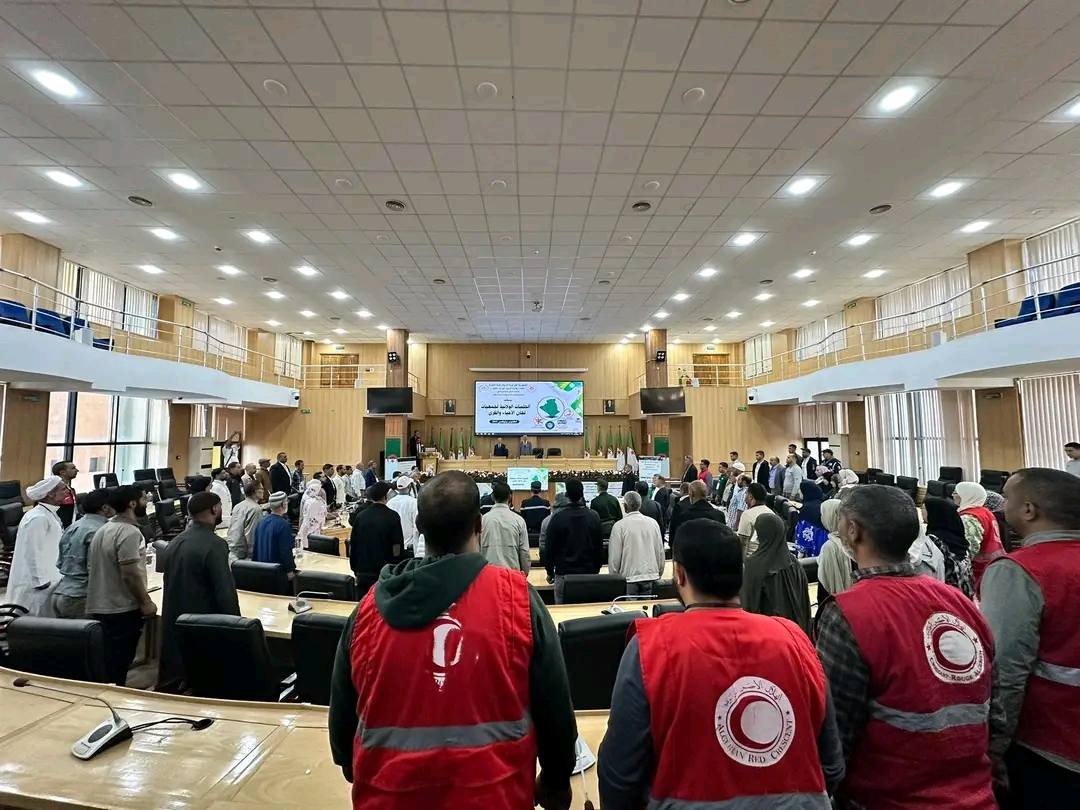
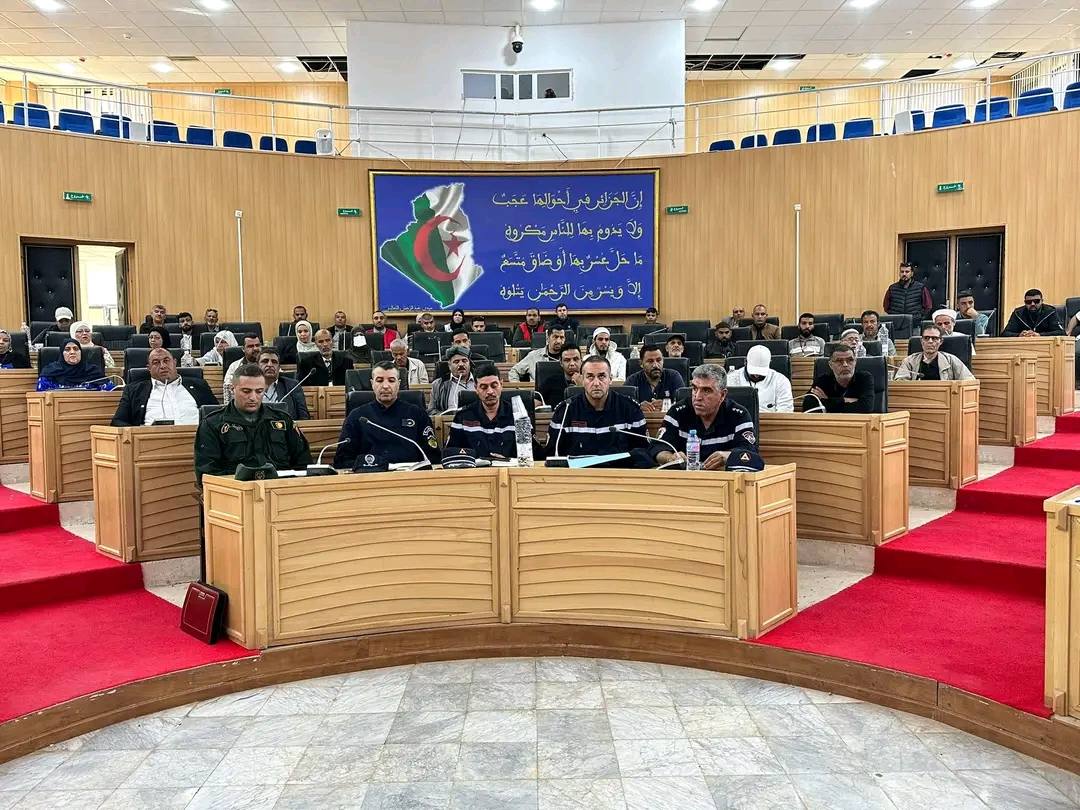
The University ensures its academic resources and expertise are utilized to inform and shape community development policies, as demonstrated by its direct involvement in key regional initiatives.
- Participation in Wilaya Sessions: The University is a recognized participant in crucial regional forums, such as the “Wilaya Sessions for Neighborhood and Village Committee Associations” (الجلسات الولائية لجمعيات لجان الأحياء والقرى) held in the Laghouat Province. These sessions are high-level efforts coordinated with national government bodies (like the Ministry of Interior and the National Economic, Social, and Environmental Council) and various key sectors (Education, Housing, Transport, etc.).
- Contributing to Poverty Alleviation Strategies: The primary goal of these sessions is to strengthen local development (التنمية المحلية) and enhance participatory action by activating Neighborhood and Village Committees. The University contributes expert consultation and data to these discussions, which focus on:
- Raising Concerns and Proposing Solutions: Identifying and addressing the daily concerns and practical challenges faced by communities, which are often manifestations of poverty and lack of basic services.
- Promoting Social Cooperation: Dedicating principles of community cooperation and shared responsibility to improve the local environment and combat negative phenomena associated with deprivation.
- Implementing Multi-Dimensional Programs: Through this formal engagement, the University acts as a strategic partner, ensuring that educational, research, and technical insights are directly integrated into local and regional policies designed to address the multi-dimensional aspects of poverty, thereby improving quality of life, increasing positive community participation, and fostering sustainable development in the Laghouat region.