Green University
The University of Laghouat is proud to launch its official Green University Plan, also referred to as the Climate Action Plan (CAP).
This foundational document sets forth the university’s long-term vision, strategic objectives, and practical roadmap for achieving environmental sustainability, carbon neutrality, and climate resilience.
It reflects our strong commitment to aligning academic excellence with ecological responsibility and community leadership.
1. Vision and Mission
Our vision is to establish the University of Laghouat as a regional leader in sustainability and green innovation, driving Algeria’s transition toward a low-carbon, climate-resilient future.
Through the Green University Plan, we seek to embed environmental values into every aspect of university life — from teaching and research to campus operations and community engagement.
Our mission focuses on:
-
Reducing the university’s environmental footprint through energy efficiency, sustainable mobility, and waste reduction.
-
Integrating climate and sustainability principles into curricula, research programs, and institutional policies.
-
Encouraging collaboration between academia, government, industry, and civil society to achieve shared environmental goals.
2. Strategic Objectives
The Green University Plan sets out a comprehensive strategy built around five main pillars:
a. Sustainable Governance and Policy Integration
-
Establishment of a Permanent Sustainability Steering Committee to coordinate all climate and sustainability initiatives.
-
Adoption of transparent environmental reporting and monitoring mechanisms.
-
Alignment of university strategies with national environmental policies, the 2030 Sustainable Development Goals (SDGs), and the Paris Climate Agreement.
b. Energy Transition and Carbon Neutrality
-
Gradual shift to 100% renewable energy for campus operations by 2030, using solar, wind, and hybrid systems.
-
Deployment of energy-efficient lighting, insulation, and smart metering systems.
-
Implementation of a Carbon Footprint Measurement and Offset Program to achieve net-zero emissions.
c. Sustainable Campus Operations
-
Green construction policies for all new university buildings following international sustainable building standards (such as LEED or BREEAM).
-
Promotion of green mobility, including bicycle lanes, electric transport, and carpooling systems.
-
Integrated waste management and recycling system, with targets for minimizing single-use plastics and paper consumption.
-
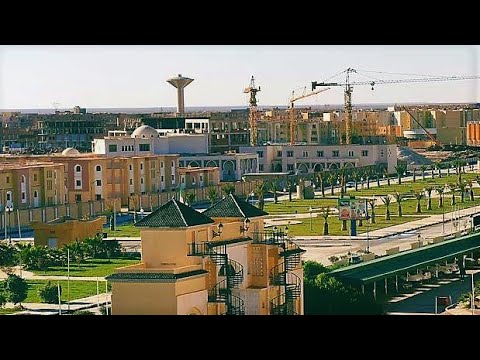
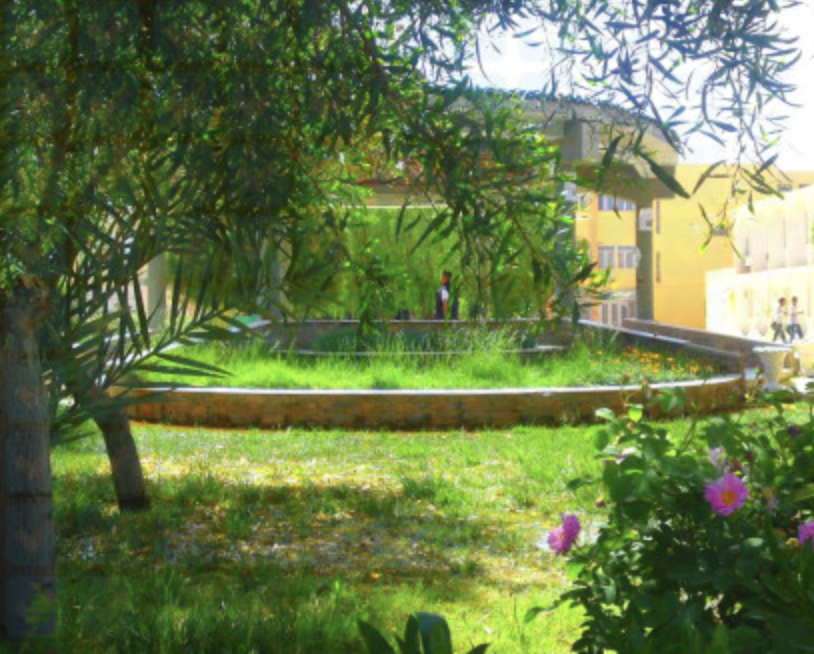
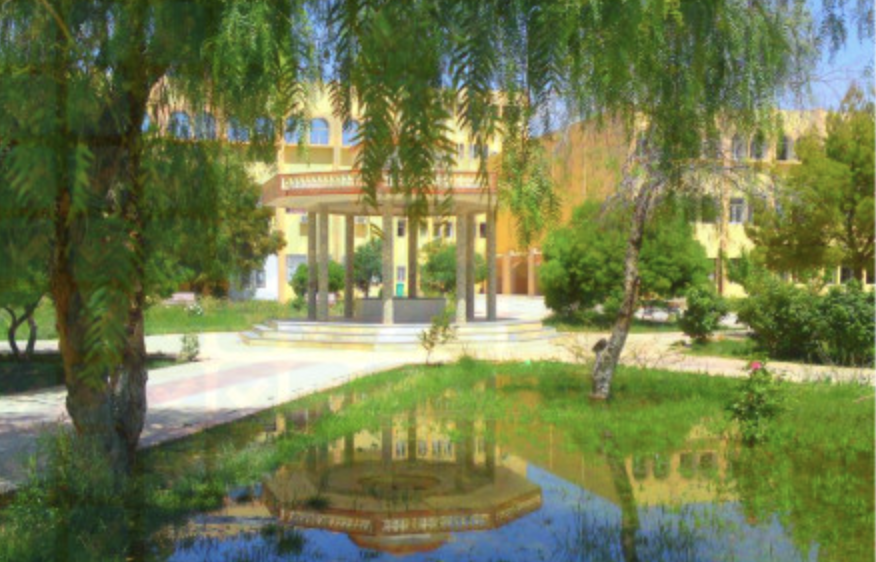
Sustainable landscaping and biodiversity protection through the creation of green spaces and ecological gardens.
d. Education, Research, and Innovation
-
Integration of climate change, renewable energy, and environmental management into academic programs across faculties.
-
Support for interdisciplinary research projects focused on clean energy, water conservation, and sustainable agriculture.
-
Creation of a Green Innovation Hub to promote student and staff participation in sustainability projects.
-
Organization of training workshops, seminars, and conferences on environmental topics.
e. Community and Regional Partnerships
-
Active collaboration with local authorities, NGOs, and private sector partners to implement sustainability initiatives.
-
Engagement with the local community through awareness campaigns, environmental education, and capacity-building programs.
-
Participation in national and international networks of green and sustainable universities.
3. Implementation Framework
The Green University Plan includes an Implementation and Monitoring Framework that outlines measurable actions and performance indicators.
Each faculty and department contributes to the plan through specific sustainability projects, supported by the central administration.
Progress will be assessed annually and published in the University’s Sustainability Report, ensuring transparency and accountability.
4. Research and Innovation for Climate Solutions
The University of Laghouat hosts several laboratories and research units specializing in renewable energy, water management, and sustainable development.
Our scientists and students are actively developing innovative technologies and solutions that contribute to Algeria’s green transition — including solar energy optimization, sustainable architecture, and environmental monitoring systems.
5. Partnerships and International Engagement
The university’s Climate Action Plan encourages participation in regional, national, and international programs, such as:
-
The UN Sustainable Development Solutions Network (SDSN).
-
The Green Campus Initiative.
-
Times Higher Education Impact Rankings, particularly SDG 7 (Affordable and Clean Energy), SDG 11 (Sustainable Cities and Communities), SDG 12 (Responsible Consumption and Production), and SDG 13 (Climate Action).
Through these partnerships, the University of Laghouat contributes to shaping the future of higher education as a catalyst for sustainability and global environmental responsibility.
6. Our Commitment
The Green University Plan is not a one-time project, but a living strategy — continuously updated to reflect new scientific insights, policy developments, and community needs.
It represents a collective pledge by our leadership, faculty, staff, and students to preserve the environment, mitigate climate risks, and promote sustainable development at every level of our institution.